There are, in the rooms of Villa Apolline, objects that came from Asia. Nothing staged for effect. The family who owns the house lives in Asia today, and these pieces aren't a decorator's idea of the East, they're fragments of an actual life, set down in a nineteenth-century perfumer's house. This conversation between Grasse and Asia isn't something we invented for the villa: it was already there before any guest noticed it. That's why an exhibition like the one the International Perfume Museum is opening this summer isn't, for us, just another cultural listing worth a mention. It touches something more personal, and knowing it's within walking distance of the house is a chance we want to pass on to whoever is staying there.
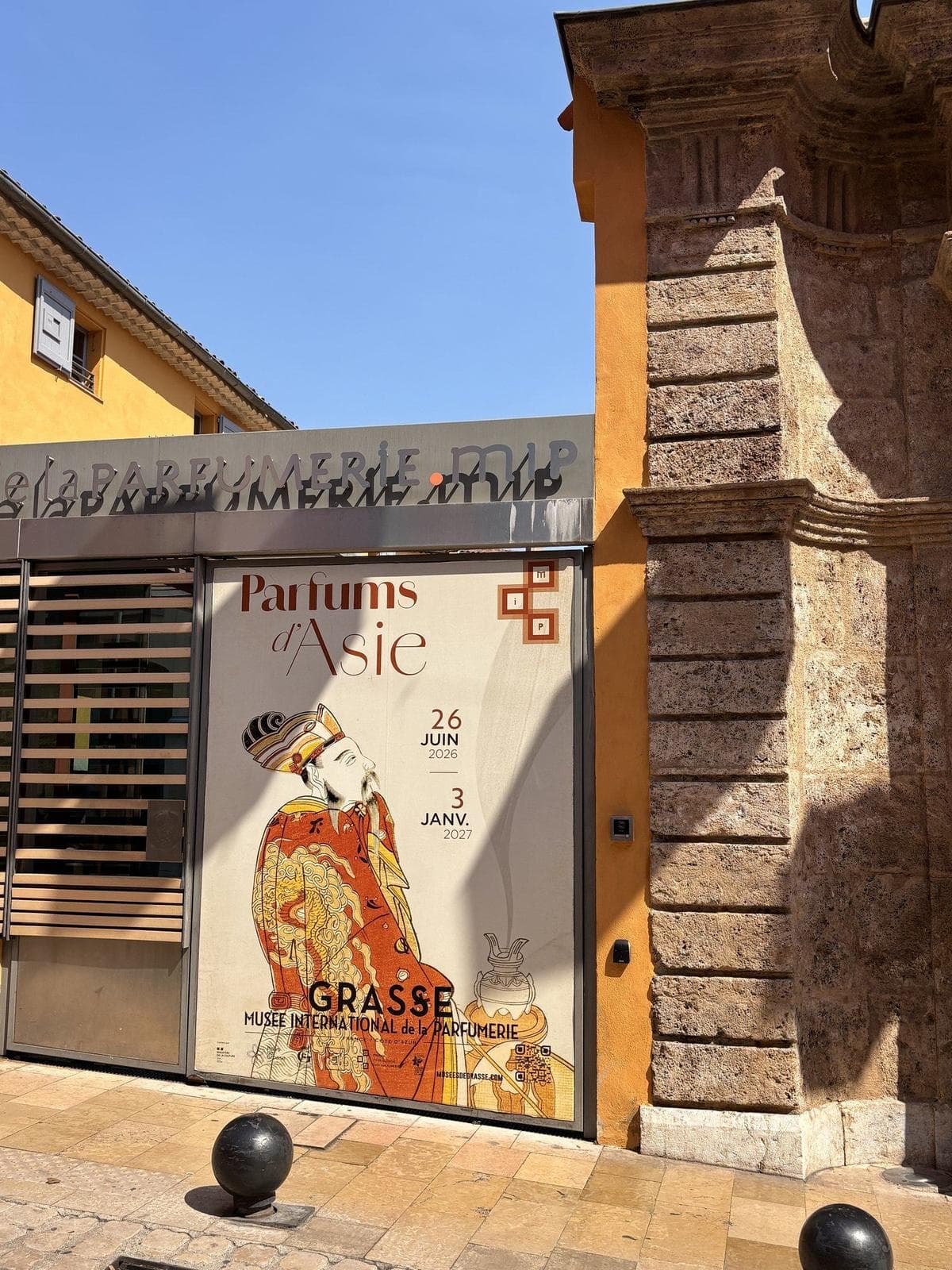
The Asian Perfumes exhibition, 2026
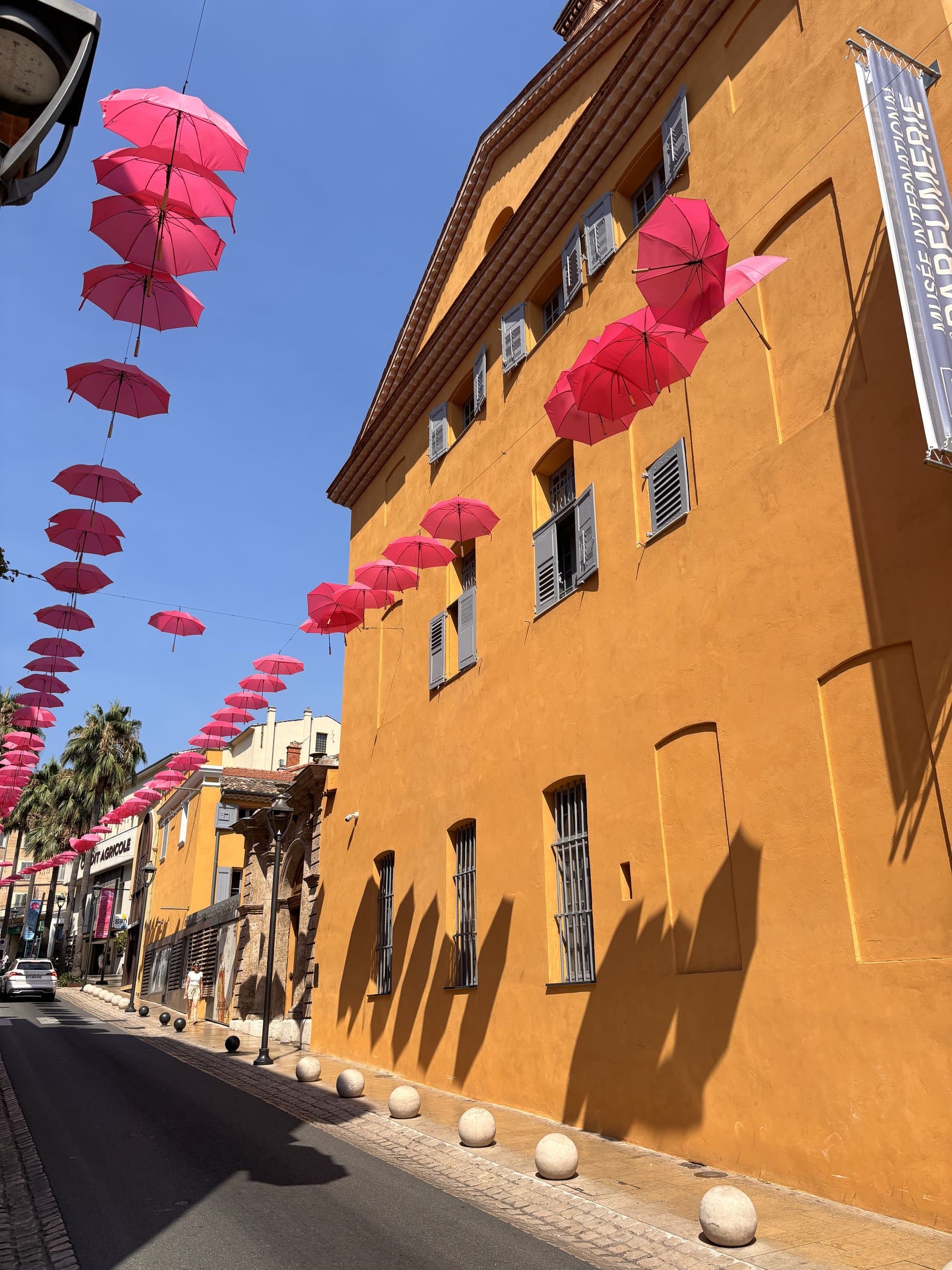
"Parfums d'Asie, cultures olfactives traditionnelles de la Chine à l'Inde" runs from 26 June 2026 to 3 January 2027 at the International Perfume Museum, 2 boulevard du Jeu de Ballon, in the heart of old Grasse. From the villa, it's a walk downhill through the lanes of the historic centre. The museum itself is worth more than this one exhibition: we've written a separate guide for anyone planning that visit too. Opening hours and admission for the exhibition change with the season, so check them directly on museesdegrasse.com before setting out.
The chimerical art
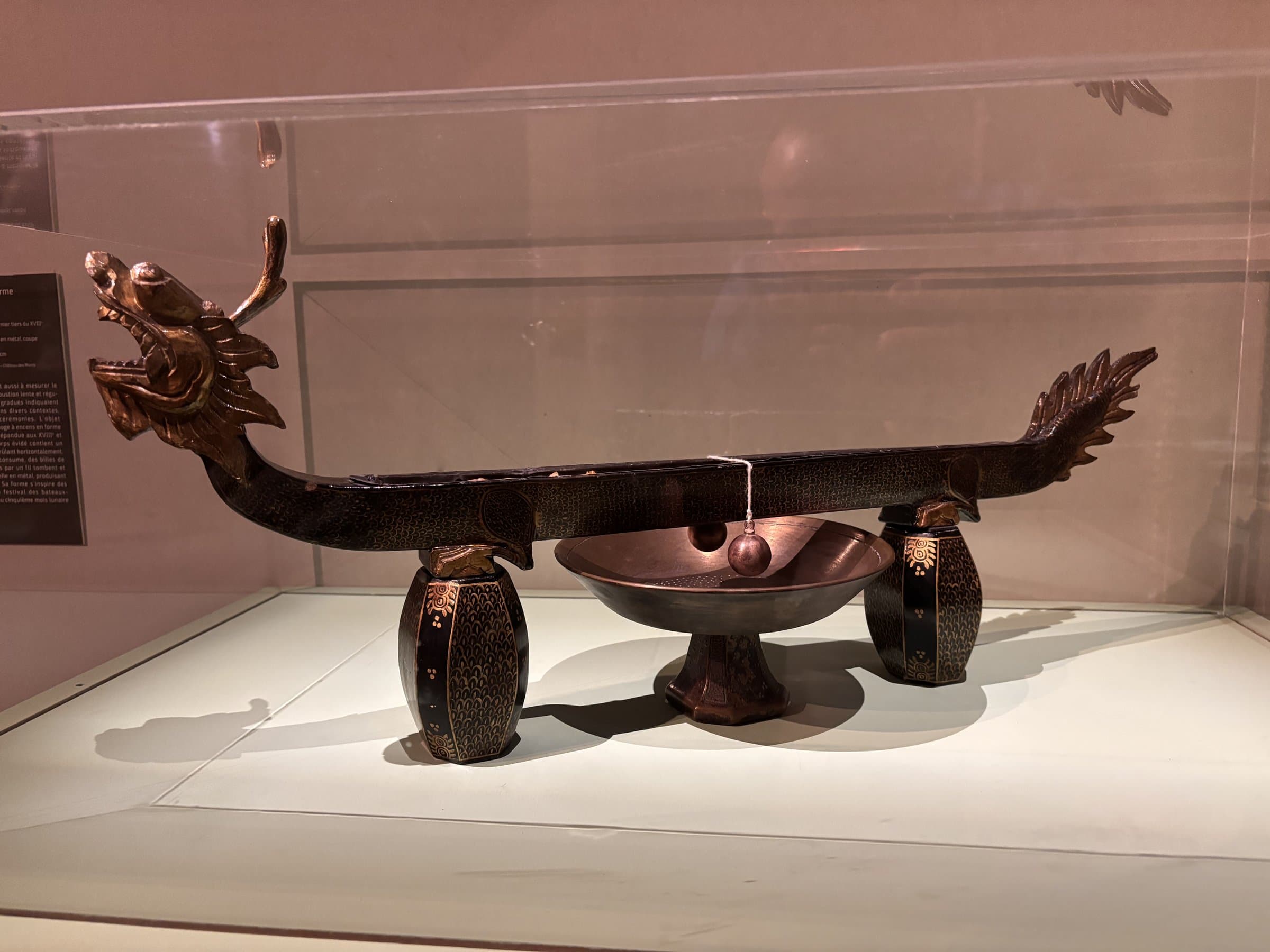
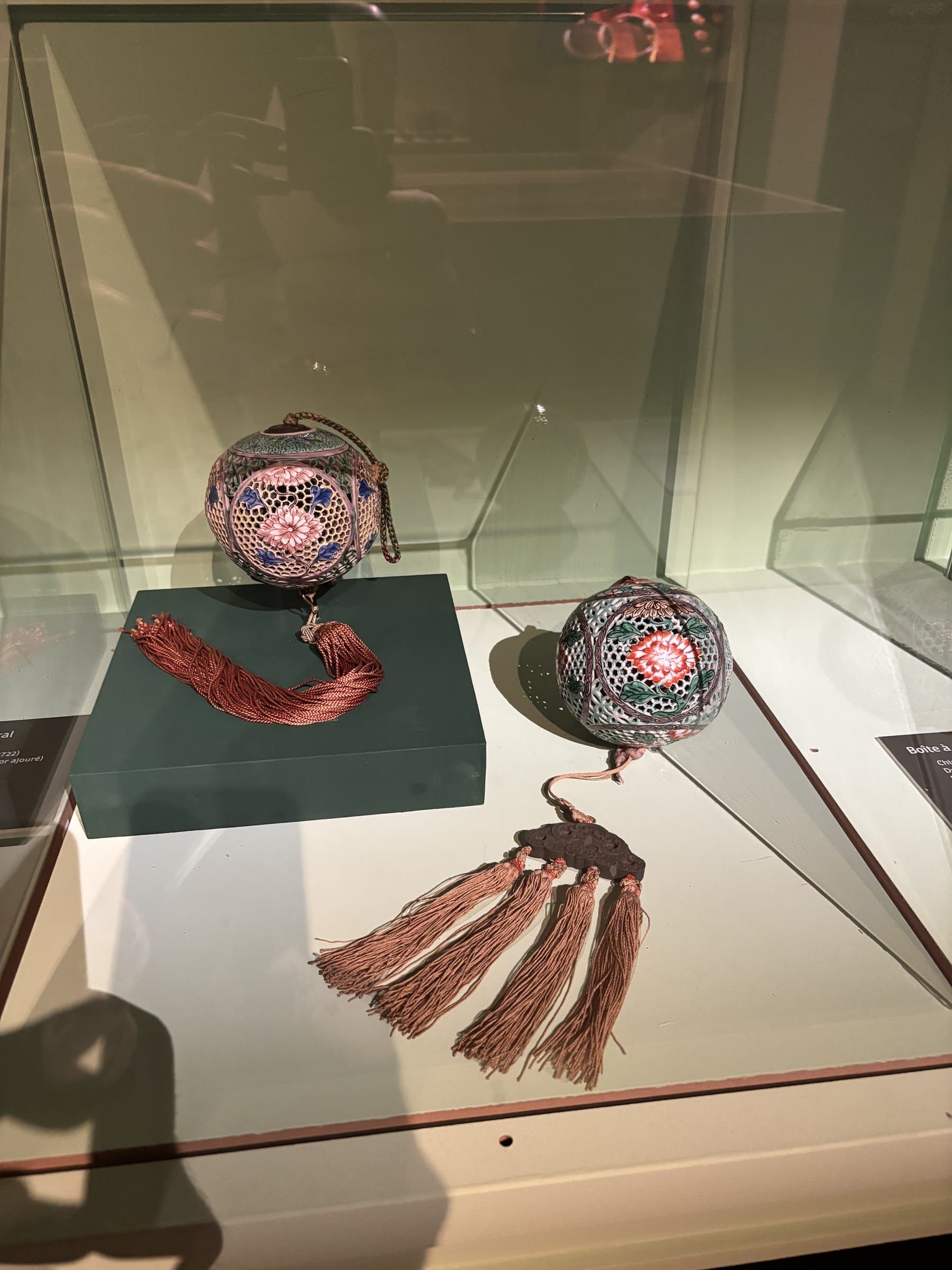
The exhibition brings together objects mostly from China, Vietnam and Japan: incense burners, boxes, bottles, instruments for scenting clothes or for measuring time through smoke. In front of some of them, Victor Hugo comes to mind, and his phrase "l'art chimérique", coined to describe what he saw as fabulous and composite in Chinese art, so unlike the Greek ideal nineteenth-century Europe measured everything against. The phrase turns very concrete here: a chimera carrying incense on its back, a dragon boat that is in fact a clock, carved and lacquered under the Qing dynasty. Once lit, an incense stick burns horizontally inside the boat's hollow body; bronze balls hung on a thread drop as it burns down and strike a small metal cup, marking the hours in sound rather than with a hand. The boat's own shape borrows from the vessels of the Dragon Boat Festival, held at the summer solstice. Measuring time by smelling it burn away is the kind of idea that stops a rushed visitor in their tracks.
The materials that crossed Asia
A large part of the exhibition is given over to raw materials, and the route through it is a reminder of how much perfume in Asia was built by circulation. Agarwood and sandalwood, from Southeast Asia; Borneo camphor, prized for how far its scent carries; clove, cinnamon, galangal, Himalayan spikenard, Chinese angelica; benzoin from Sumatra, which reached China under the Han dynasty along the trade routes we now call the Silk Road. Animal materials, rarer, come from Asia's mountain margins: musk from the Siberian musk deer, long hunted for that single reason and now listed as a vulnerable species, largely replaced in perfumery by synthetic molecules; and ambergris, formed inside the sperm whale's stomach around undigested squid beaks, expelled at sea or found washed up on shore after years of slow maturing.
Objects
Perfume worn, not just applied
Alongside the raw materials, the exhibition also shows how perfume was once carried on the body in China: small sachets of embroidered silk, closed with tassels, tucked into a garment or tied to a belt. As discreet as a bottle, but made to travel with the wearer rather than scent a room.
From the villa
It's an outing that slots easily into a stay, without reshuffling anything, somewhere between a morning in the garden and dinner on the terrace. For us it carries an extra meaning: seeing, a few streets from the villa, objects that speak the same language as the ones already sitting in its rooms. It pairs well with a stroll to the grand perfume houses in the old town, or with the other outings gathered in the Discover hub.
FAQ
Until when can I see the Asian Perfumes exhibition at the Grasse Perfume Museum?
The exhibition runs from 26 June 2026 to 3 January 2027 at the International Perfume Museum in Grasse, 2 boulevard du Jeu de Ballon.
How do I get to the museum from Villa Apolline?
The museum sits in the historic centre of Grasse, a short walk from the villa through the lanes of the old town.
Do I need to book to visit the exhibition?
Opening hours and booking conditions change with the season: check them directly on the official site, museesdegrasse.com, before you go.